The Impact of AI in Digital Marketing: What You Should Expect
On this page
The Impact of AI in Digital Marketing: What You Should Expect
Discover how AI in digital marketing is changing content, ads, SEO, and customer journeys and what your business should expect next.
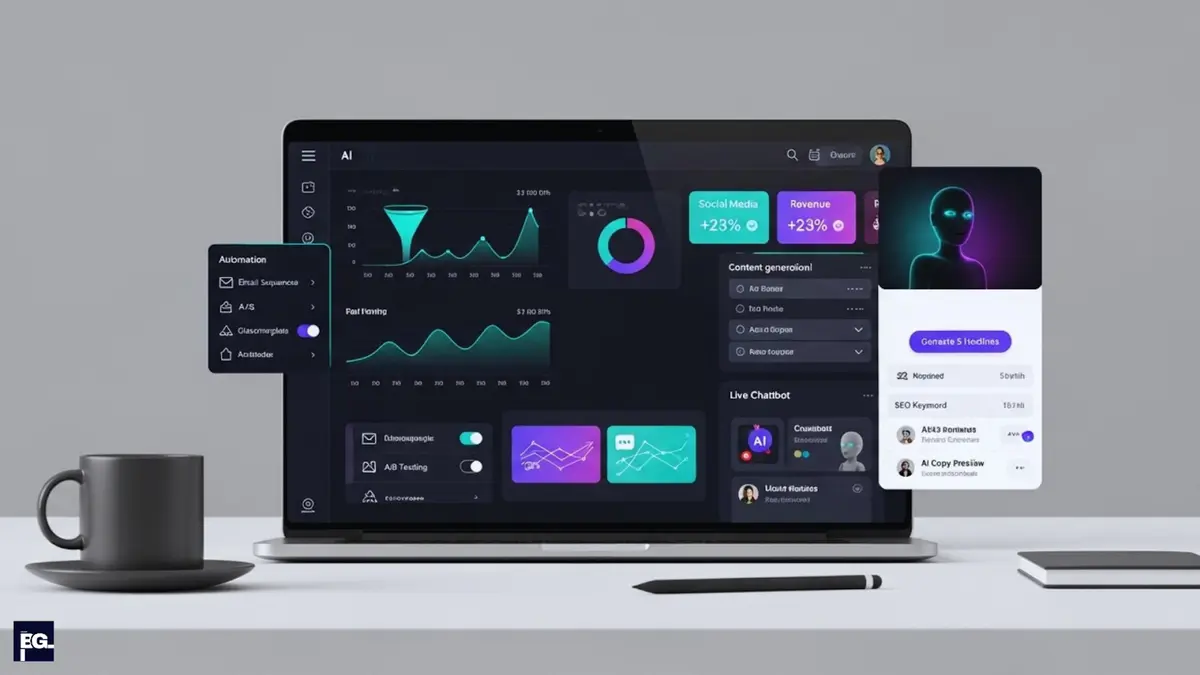
AI in digital marketing is now mainstream, with around 70–90% of marketers using some form of AI in their workflows.
According to Sopro‘s , companies using AI in marketing often see 20–30% higher Return On Investment (ROI), faster campaign launches, and better click-through rates when tools are used correctly.
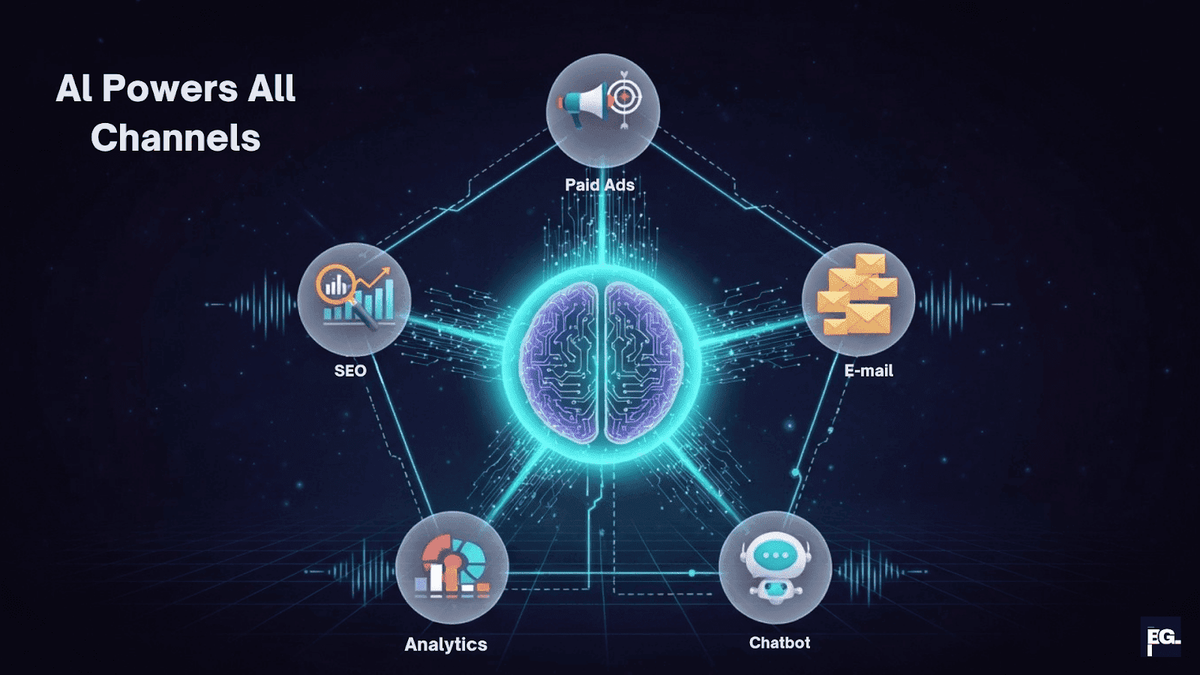
The biggest wins come from AI-powered personalization, smarter analytics, content automation, and conversational tools like chatbots.
Risks include data privacy issues, low-quality data, over-automation, and loss of brand voice if teams rely only on machines.
The best way forward is a simple roadmap: start with data, pick 1–2 clear use cases, run small pilots, and combine AI with human strategy.
What “AI in digital marketing” really means
AI in digital marketing means using tools that can learn from data to make smarter decisions about targeting, content, timing, and customer journeys. These tools range from simple recommendation engines and predictive models to advanced generative AI that can create text, images, and even video.
Most teams are already using AI in digital marketing without always calling it AI: smart bidding in ad platforms, email send-time optimization, lookalike audiences, SEO tools that suggest topics, and chatbots on websites.
How fast AI in digital marketing is growing
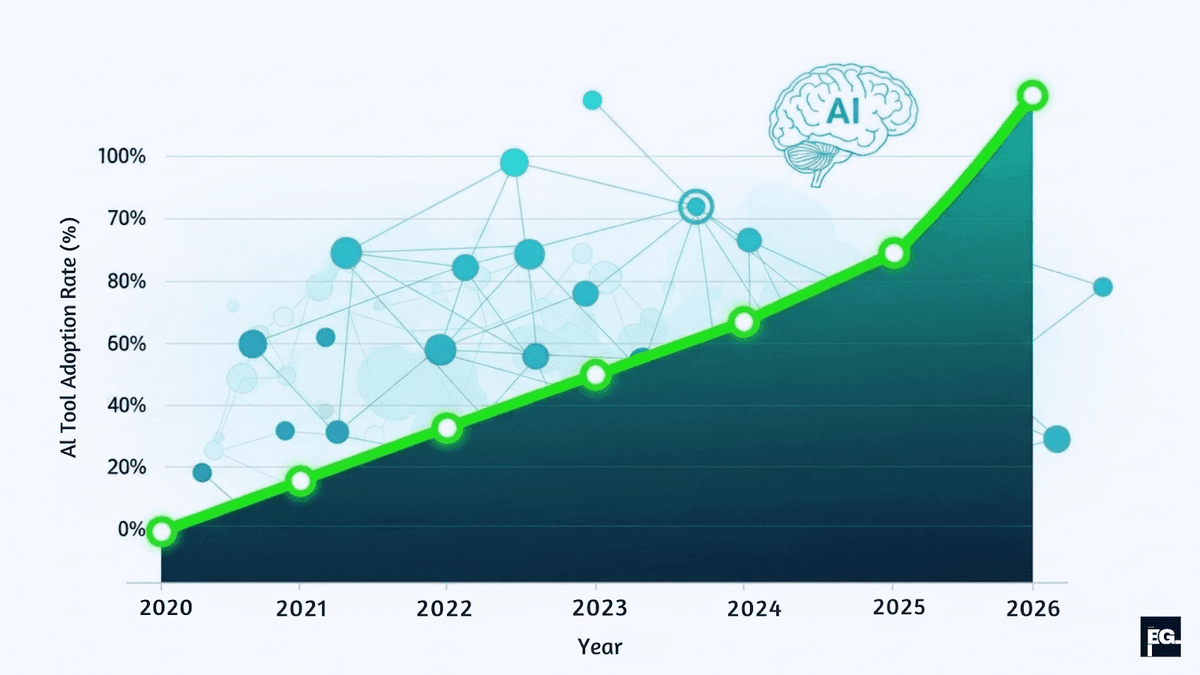
Adoption has moved from early adopter phase to near default. Recent reports show:
Around 78% of organizations use AI in at least one business function, and marketing is one of the leading functions.
Roughly 69% of marketers had integrated AI into their operations by 2025, with many using it daily for tasks like content and campaign optimization.
SurveyMonkey’s 2025 AI marketing statistics report shows that 88% of marketers now rely on AI tools in some part of their job, from copy to analytics.
On the results side:
Companies using AI in marketing see 20–30% higher ROI compared with traditional methods in some analyses.
AI-driven campaigns can launch up to 75% faster and deliver about 47% better click-through rates when teams lean on AI for testing and optimization.
This means AI in digital marketing is no longer about “if” you should use it, but “how” to use it in a focused, strategic way.
Key ways AI is changing digital marketing
1. AI-powered personalization at scale
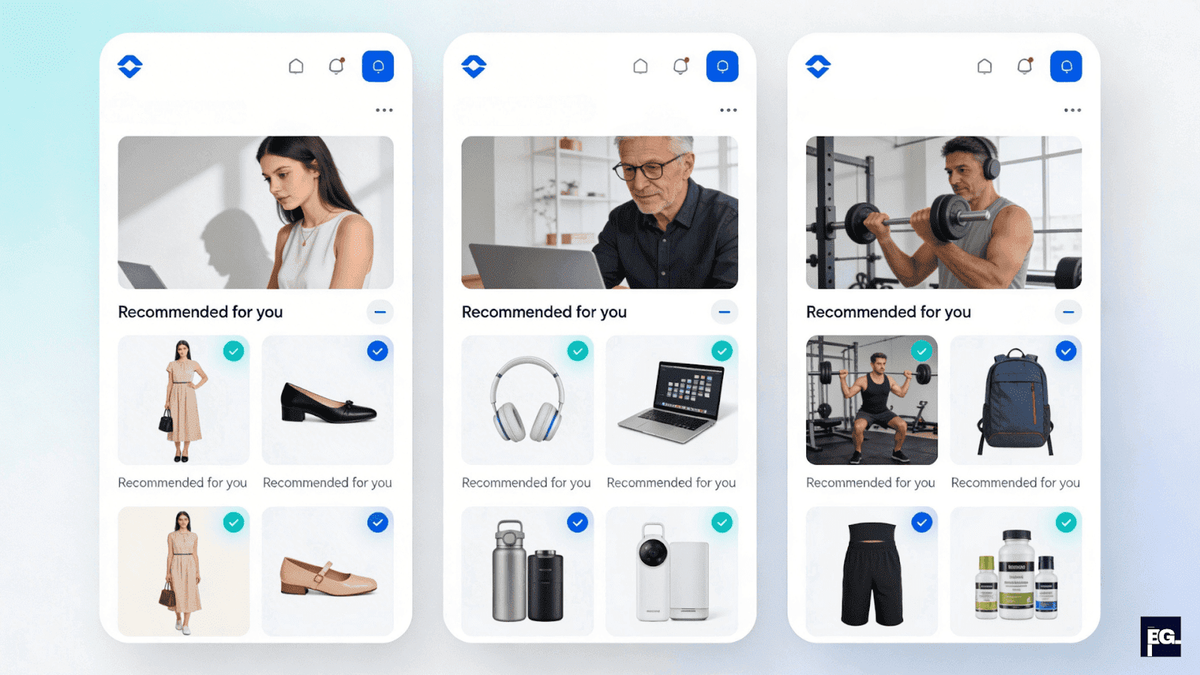
Personalization has shifted from simple rules (like “first name” in email) to highly tailored experiences built from behavior, history, and context. AI in digital marketing can now:
Build dynamic segments based on live behavior, not just static demographics.
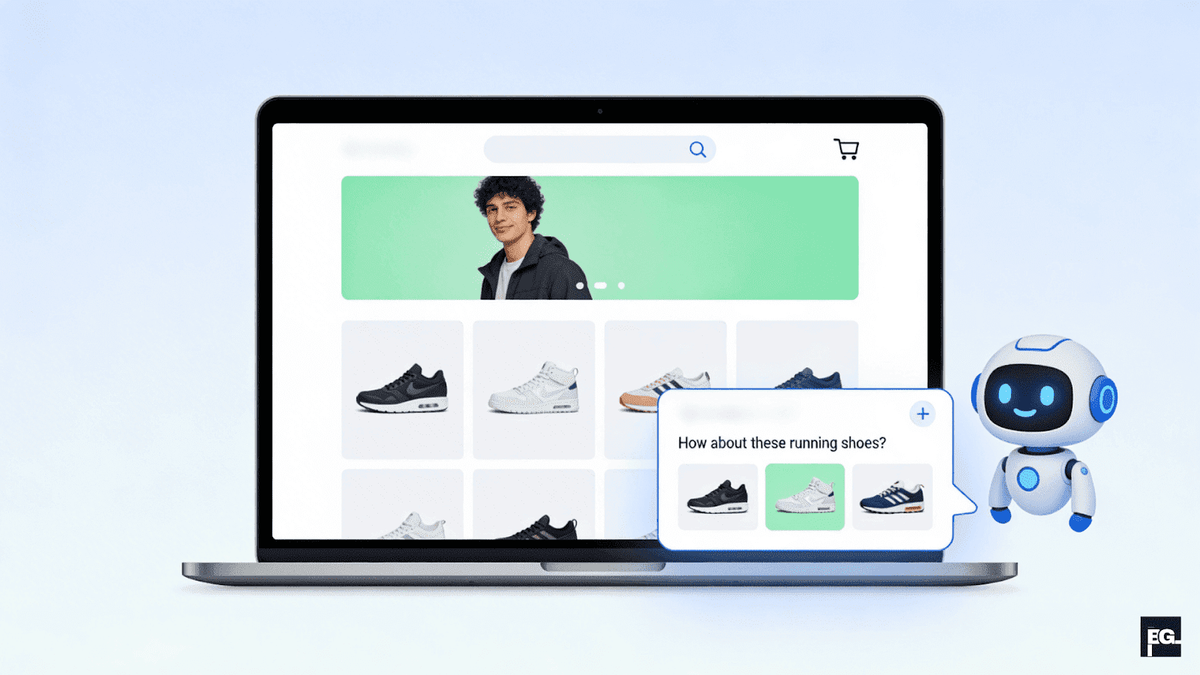
Adjust website content, recommendations, and offers in real time.
Trigger journeys automatically when a user shows signals like intent to buy or risk of leaving.
Research shows that AI-powered personalization can significantly raise engagement, conversions, and customer satisfaction across sectors like retail, streaming, and financial services. At the same time, studies warn about ethical concerns around data privacy, transparency, and algorithmic bias when AI is used for hyper-personalized targeting.
2. Smarter analytics and predictive insights
AI in digital marketing also changes how teams read data. Instead of only looking backward at dashboards, predictive models can:
Score leads or customers by likelihood to buy, cancel, or upgrade.
Forecast which channels or messages are most likely to work for a given audience segment.
Surface patterns humans would miss, especially in large, multi-channel datasets.
Academic and practitioner studies show that AI-based predictive analytics helps brands move from “spray and pray” campaigns to more proactive, targeted actions. When done well, this supports better budget allocation and more stable revenue growth.
3. Content creation and optimization
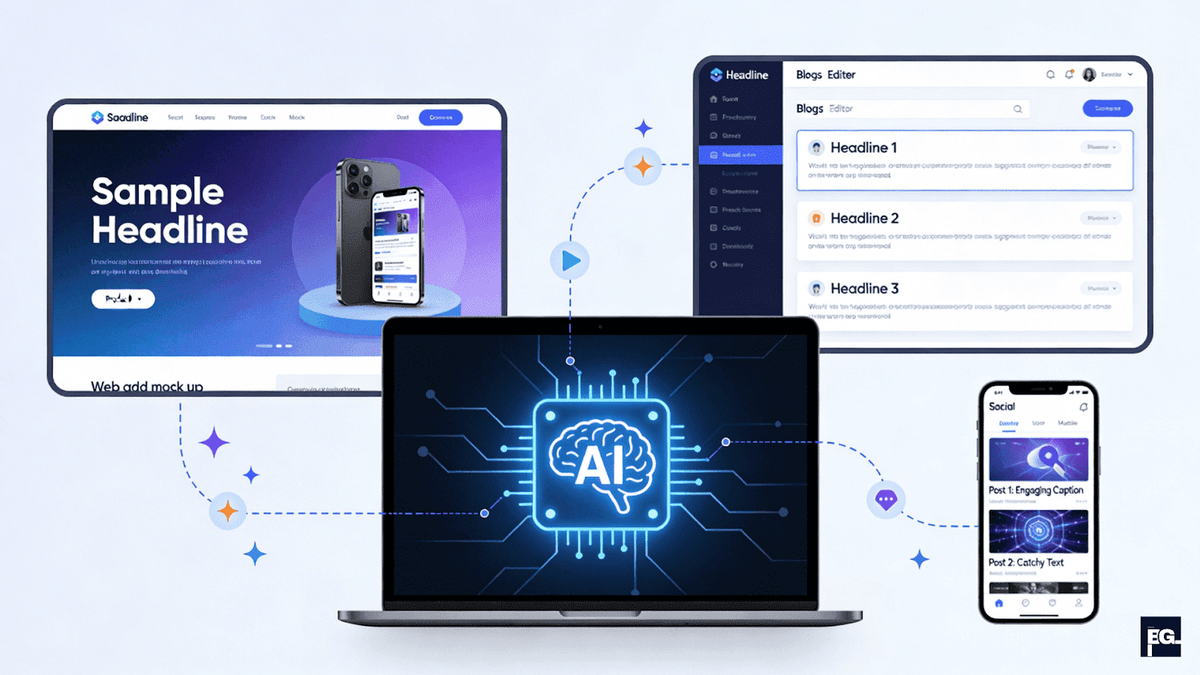
Generative AI has made content the most visible part of AI in digital marketing. Many marketers now use AI tools to:
Draft ad copy variations, email subject lines, and social captions.
Turn long-form content into snippets for different channels.
Brainstorm ideas, outlines, or hooks faster than starting from scratch.
Reports show that more than 60–80% of marketers use AI writing or content tools in some form, especially for ideation and optimization. Case studies indicate that AI-assisted campaigns can increase click-through rates and speed up production times considerably, especially when humans still edit and approve the final message.
The real impact comes when content generation is tied to data: AI tools analyzing performance can suggest new topics, formats, or angles based on what actually resonates with your audience.
4. Paid media: smarter bidding and creative testing
Ad platforms have had machine learning baked in for years, but generative and predictive AI now extend this further. AI in digital marketing for paid channels often looks like:
Automated bidding strategies that adjust in real time based on conversion data.
Audience expansion and lookalike modeling that finds people similar to your best customers.
Auto-generated creative variations that are tested quickly across segments and placements.
Studies on AI in marketing show that these tools can deliver faster campaign launches and better performance when marketers feed them clean data and clear goals.
5. Chatbots and conversational experiences
AI-powered chatbots and virtual assistants are one of the clearest examples of AI in digital marketing that customers can see.
Recent statistics show:
The global chatbot market is growing at over 20% per year, with revenues projected into the tens of billions.
Many consumers now report neutral to positive experiences with bots, and a significant share even prefer them when they provide fast, accurate answers.
For businesses, chatbots can improve lead quality, boost conversion rates, and reduce support costs, with some reports showing revenue lifts of 7–25% when bots are used effectively.
In practice, chatbots can:
Qualify leads by asking a few smart questions before passing them to sales.
Handle common support questions instantly, 24/7.
Push personalized offers based on what a user is browsing.
The key is to design bots that are transparent, helpful, and easy to hand off to a human when needed.
6. SEO and website experience
AI in digital marketing is also reshaping SEO and on-site optimization. AI tools can:
Analyze search intent and cluster keywords more intelligently.
Suggest content structures and internal links that better match how users search and browse.
Monitor technical issues, Core Web Vitals, and user experience signals at scale.
At the same time, search engines are using AI to better understand content and user intent, which means:
Thin or low-value AI-generated content is likely to underperform or be filtered out over time.
Helpful, experience-based content that answers real questions and shows expertise becomes more important, not less.
For brands, this means AI should support SEO but not replace strategy, expertise, and quality writing.
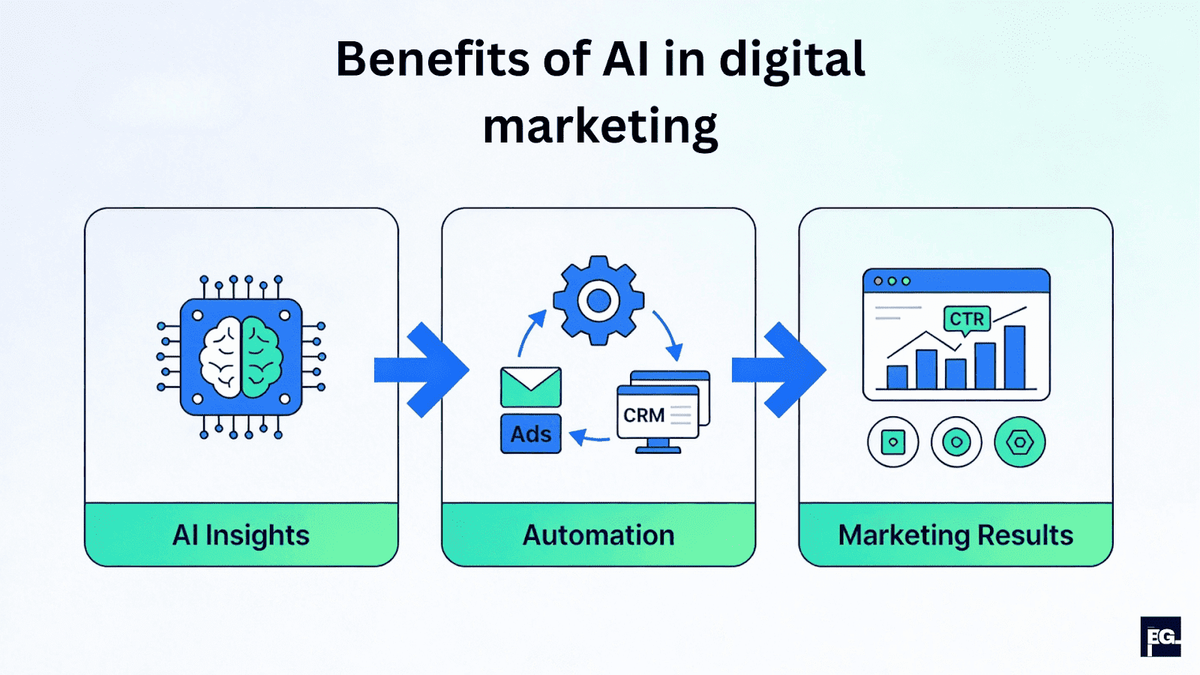
Benefits you can expect from AI in digital marketing
Across studies and industry reports, a few consistent benefits appear when AI in digital marketing is used well:
Higher ROI and revenue : Many companies using AI in marketing report 20–30% higher ROI or even higher returns when AI is deeply integrated into workflows.
Faster execution : Campaigns and content can launch much faster when AI handles initial drafts, audience modeling, and routine optimization.
Better customer experience : AI-powered personalization and conversational tools help brands feel more relevant and responsive at every touchpoint.
Smarter decisions : Predictive analytics and real-time insights reduce guesswork and support better budget and channel decisions.
Risks, limits, and ethical questions
AI in digital marketing brings real risks when used without guardrails. Research and industry reports highlight several concerns:
Data privacy and consent : AI depends on large volumes of data. If consent, transparency, and storage are not handled correctly, this can create legal and ethical problems.
Bias and fairness : Algorithms can amplify bias if trained on skewed data, leading to unfair targeting or exclusion of certain groups.
Loss of human touch : Over-automating communication can hurt brand trust if messages feel generic, intrusive, or insensitive.
Over-reliance on tools : Teams that treat AI as a “magic box” risk losing strategic skills and making decisions they do not fully understand.
Many studies recommend strong governance around AI in digital marketing, clear policies, regular audits of models and outputs, and training teams to use tools both effectively and responsibly.
A simple roadmap to adopt AI in digital marketing
To get the benefits and avoid the worst risks, businesses can follow a simple, practical roadmap.
Step 1: Fix your data basics
Make sure tracking, analytics, and CRM data are accurate and consistent.
Clean up obvious issues like duplicate records, missing consent flags, or broken tracking.
Decide what success looks like for your AI in digital marketing projects (e.g., more leads, better retention, lower cost per acquisition).
Without this foundation, even the best AI tools will produce noisy or misleading results.
Step 2: Choose 1–2 clear use cases
Start small with use cases that are:
Closely tied to revenue or clear Key Performance Indicators (KPIs). For example, cart recovery emails, lead scoring, or ad optimization.
Easy to measure.
Supported by tools your team can actually use.
Industry examples show that focused tests deliver faster proof of value than trying to “add AI everywhere” at once.
Step 3: Pick tools that fit your stack
Look for tools that:
Integrate smoothly with your existing platforms (CRM, email, analytics, CMS).
Offer clear documentation and control over key settings.
Provide transparency around data use and model behavior.
Many marketing teams adopt AI first through features inside platforms they already use—such as email suites, ad platforms, or customer data platforms—before layering on specialist tools.
Step 4: Keep humans in the loop
Use AI to generate options, not final answers. Human review is critical for tone, accuracy, and brand alignment.
Train teams on prompt writing, interpretation of AI outputs, and ethical guidelines.
Document what AI tools are allowed to do in your workflows.
Research shows that organizations that invest in AI training for their people see higher success rates and better ROI.
Step 5: Measure, learn, and scale
Track clear before and after metrics for each pilot, conversion rate, revenue, time saved, or satisfaction scores.
Keep what works, adjust or drop what does not.
Only then scale AI in digital marketing into more channels or regions.
This test and learn mindset helps avoid wasted spend and ensures AI supports real business goals, not just hype.
What to expect next from AI in digital marketing
Looking ahead, several trends are likely to shape the next few years:
Deeper personalization with stronger controls : AI-driven personalization will become even more precise, while regulations and consumer expectations push brands to be more transparent and respectful of privacy.
Multimodal and cross-channel AI : Tools will increasingly unify data from text, images, voice, and behavior to coordinate campaigns across social, search, email, and offline touchpoints.
Explainable and responsible AI : As AI in digital marketing becomes more powerful, businesses will need models and tools that can explain why they made certain recommendations, not just what they decided.
For marketers and business owners, the takeaway is clear, AI will not replace the need for strategy, creativity, and understanding of customers. Instead, it will reward teams that learn how to combine human insight with machine intelligence.
Final thoughts
AI in digital marketing has moved from hype to daily reality. The tools are powerful, adoption is high, and the potential upside in ROI, speed, and customer experience is real. At the same time, success depends on getting the basics right: clean data, focused use cases, strong governance, and humans firmly in the loop.AI is just one piece of the puzzle, see our full breakdown of How Digital Marketing is Evolving: Trends You Need to Know in 2026 for the complete picture.
At BrainGig , we help businesses put AI in digital marketing to work through our custom strategies and high-performance websites. Ready to see real results? Contact us today to start your AI-powered marketing journey!
FAQs
1. How does AI in digital marketing improve ROI?
AI improves ROI by targeting the right people, at the right time, with the right message, based on real data instead of guesswork. It also automates testing and optimization, which reduces wasted spend and helps you scale winning campaigns faster.
2. Is AI in digital marketing only for big brands?
No, small and mid-sized businesses can also use AI in digital marketing through tools built into platforms they already use, like ad managers, email software, and website builders. Many tools now offer built-in AI features that don’t need coding or a large team.
3. Will AI replace digital marketers?
AI will not replace good marketers, but it will replace some manual, repetitive work. Marketers who learn how to use AI in digital marketing will spend less time on busywork and more time on strategy, creativity, and understanding customers.
4. How can a business get started with AI in digital marketing?
Start with your data and one clear use case, such as improving ad performance, personalizing emails, or adding a chatbot to your website. Choose tools that integrate with your current stack, test them on a small scale, measure results, and then expand.
- FAQ
Frequently asked
questions.
1. How does AI in digital marketing improve ROI?
AI improves ROI by targeting the right people, at the right time, with the right message, based on real data instead of guesswork. It also automates testing and optimization, which reduces wasted spend and helps you scale winning campaigns faster.
2. Is AI in digital marketing only for big brands?
No, small and mid-sized businesses can also use AI in digital marketing through tools built into platforms they already use, like ad managers, email software, and website builders. Many tools now offer built-in AI features that don’t need coding or a large team.
3. Will AI replace digital marketers?
AI will not replace good marketers, but it will replace some manual, repetitive work. Marketers who learn how to use AI in digital marketing will spend less time on busywork and more time on strategy, creativity, and understanding customers.
4. How can a business get started with AI in digital marketing?
Start with your data and one clear use case, such as improving ad performance, personalizing emails, or adding a chatbot to your website. Choose tools that integrate with your current stack, test them on a small scale, measure results, and then expand.